
Greece is one of the best places to travel with children. It has ancient castles, sea caves, ferry rides, and beaches with warm, clear water. Greece tours for families bring all of this together in one easy plan. A guide leads the way, a driver handles the roads, and parents get to relax.
This guide explains how to plan a trip that kids love and adults remember. The team at My Greece Tours builds family trips around short days, hands-on stops, and good food. Read on to learn what to book, what to pack, and where to go with your children.
Why Do Families Choose Greece Tours?
Families choose Greece tours because planning a trip with children is hard work. Someone must book hotels, buy tickets, find parking, and watch the clock. A tour company does that work for you, from the first pickup to the last drop-off. Parents spend the day with their kids and not with a map.
Ease and safety matter just as much. A guide knows each site, each ferry dock, and each quiet corner for a snack break. Drivers know the roads and the parking rules. When a child gets tired, the group slows down, and the day changes without any stress for the family.
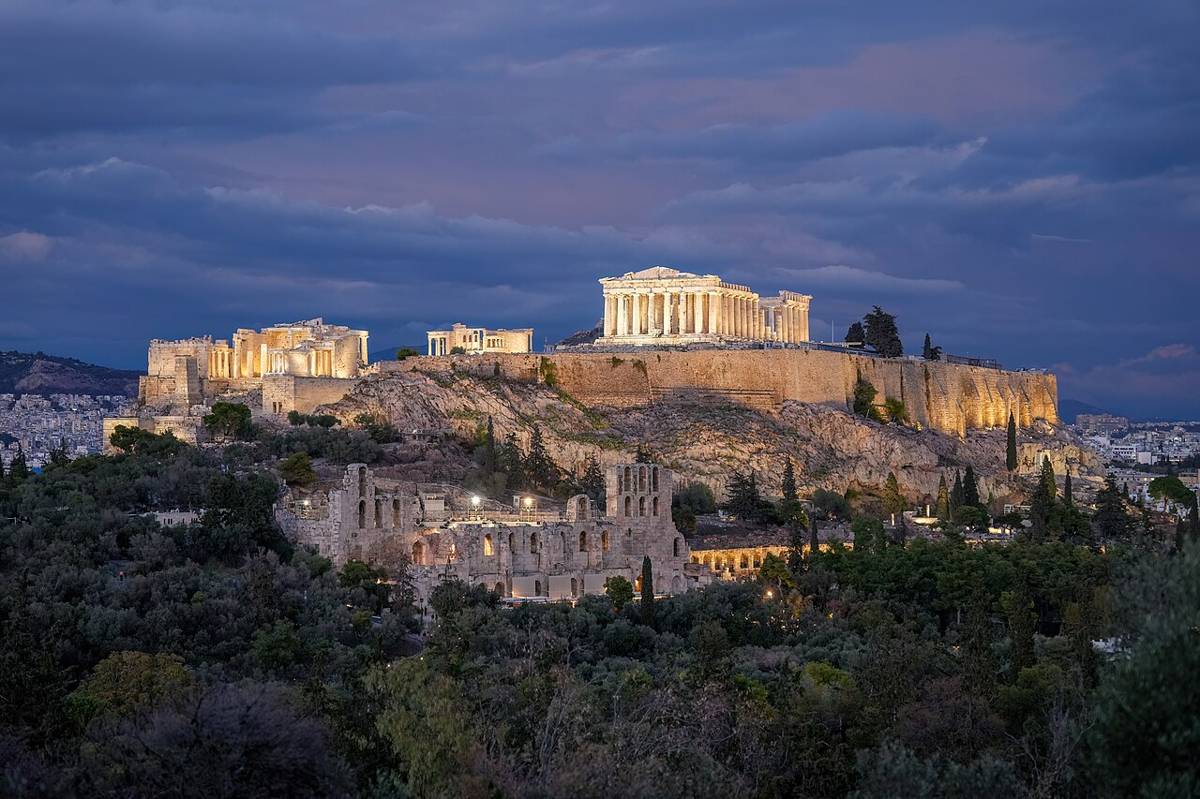
Greece also offers history that children already know from stories. Zeus, Athena, and the Minotaur are real names on real stones here. A guide links each tale to its place. Kids who yawn in a classroom sit up straight when a guide points at the Parthenon and tells how Athena won the city.
Online guides help you compare trips before you book. Sites such as Greece tours and Tours In Greece show family plans, routes, and tour styles side by side. Look for short days, small groups, and a guide who likes kids. Read each plan closely, then pick the pace that fits.
Mixed ages are another reason to book a tour. A teenager wants stories and photos, a young child wants to run and climb, and grandparents want a seat in the shade. A well-planned day gives each person something to enjoy, and nobody has to wait while the others have all the fun.


How Do Greece Tours Keep Children Interested?
Good Greece tours treat children as guests, not as extras. The guide talks to the kids first and the adults second. Stories come in short pieces, and questions are always welcome. A child who feels included pays attention for much longer than a child who is only dragged along from stop to stop.
Myths are the secret weapon. Greek legends have monsters, heroes, tricks, and storms at sea, so they work like an adventure movie told out loud under the open sky. A guide tells how clever Odysseus beat Troy with a giant wooden horse, and the children lean in to hear the end.
Games keep young minds busy between stops. Guides hand out scavenger lists with items such as a column, a snake, a ship, and a helmet. Children hunt for each one in the ruins, in museum cases, and on old coins. Finding the last item earns a small cheer from the whole group.
Hands-on time matters as much as stories. Good family trips add a cooking class, a pottery lesson, or a walk through an olive grove. Kids shape clay, roll dough, and taste fresh olive oil on warm bread. They go home with a new skill, a full belly, and a story to tell their friends.
Planning ahead helps, so read these family-friendly Greece travel tips before you pack your bags. Strong family tours also share a few simple habits that keep children happy from the first stop to the last. Look for these in any trip you book, and ask the company to show them in the daily plan:
- Myth stories told at the place where they happened
- Scavenger hunts and quiz games at every major stop
- Hands-on classes in cooking, pottery, or olive oil
- Swim breaks and playground time after busy mornings
- Short walks between sights, with snack stops built in
Which Sights Work Well For Children On Greece Tours?
Athens is the first stop for most tours, and the Acropolis is the star. Children see the Parthenon, the great temple of Athena, rising above the city. The climb takes some effort, but the view of the white rooftops and the distant sea gives kids a fine reward at the top.
Only state-licensed guides are allowed to lead groups inside Greek archaeological sites and museums. This rule works in your favor. Licensed guides are trained in history and art, and the best ones know how to explain both to a child in plain words. Ask your tour company to confirm that its guides hold a license.
Crowds and heat can spoil an Acropolis visit, so plan the timing well. This article on how to skip the lines at the Acropolis explains the smart ways to save time. Less waiting means more energy for the climb, the stories, and the photos at the top, and fewer tired faces in the group.
Museums work for children too when the visit stays short. The National Archaeological Museum in Athens holds a gold death mask from Mycenae and the Antikythera mechanism, an ancient device that tracked the sky. A guide picks a handful of objects and tells one good story about each one, so nobody gets bored.
Outside Athens, more sites win over children. At Olympia, kids stand where the ancient Olympic Games began. At Epidaurus, the old theater carries a whisper from the stage to the top row. At Delphi, guides explain how people once asked an oracle for advice about their lives. At Mycenae, the Lion Gate welcomes visitors.


How Do Family Greece Tours Handle Heat And Walking?
Summer in Greece is hot, and good tour planners know that early starts are the first tool. Sites are cooler and quieter in the morning, so guides place the big walks in the first part of the day. By midday, the group is ready to rest, eat, and cool off in the shade.
Rest breaks come next. After a morning tour, families return to the hotel for lunch, a nap, and a dip in the pool. Good tours do not push children through the hottest hours. The afternoon is for a light activity, such as a short museum visit, a market stroll, or a swim.
Parents help with a few simple habits: pack hats, sunscreen, light clothes, and a refillable water bottle for each person. Wear shoes with a firm grip, because marble gets slippery and old paths are uneven. Guides remind the group to drink water at every stop along the way, even when nobody feels thirsty.
A swim is the best reward after a hot walk. The coast has a beach near every major region, and guides know the calm ones. Read about the top beaches in Greece to see which stretches of sand suit your route. Water shoes help on rocky shores and on beaches with hot sand.
Walking itself needs a plan. Old towns have steep stairs, stone lanes, and few ramps, so strollers struggle there. A soft baby carrier works better for little ones. Tour guides choose slow routes, count heads at every stop, and keep the group together. Everyone returns to the bus with energy left.
Which Islands And Beaches Suit Family Greece Tours?
Islands are a big part of a Greek holiday, and many of them suit children well. Look for long sandy beaches, shallow water, and short transfers from the port to the hotel. Crete, Naxos, Corfu, and Rhodes all fit this description, and each one adds history to the sand and sea.
Crete is the largest Greek island and offers the most variety. Families visit the palace of Knossos, swim at long sandy beaches, and watch fishing boats in old harbors. Because the island is so large, tour operators choose one base area and take day trips from there, which saves time on the road.
Naxos and Corfu suit relaxed trips. Naxos has wide sandy beaches with gentle water, and a giant marble gate from an ancient temple stands near the harbor. Corfu has green hills, an old town with narrow lanes, and a fortress by the sea that children love to explore on foot.
Rhodes works well for children who love castles. The Old Town still has medieval walls, a deep moat, and a long street once walked by knights. Zakynthos draws nature fans, since sea turtles nest on its protected beaches. Guides teach children to respect the animals and keep their distance.
Beach days end with dinner at a seaside taverna. Fresh fish, grilled meat, and salads fill the menu, and kids can share a plate. Look through this guide to Greek food to try on tour to learn what to order. Ferries link the islands, so pack light and keep snacks handy.




How Do Greece Tours Handle Meals For Fussy Eaters?
Greek food is easy for fussy eaters. Grilled chicken, plain pasta, fries, bread, rice, and fresh fruit appear on most menus. Tavernas welcome families and do not rush a table. Children eat what they like while adults enjoy local dishes, and no one feels out of place at the table.
Tour guides make meals smoother for everyone. They book family-friendly restaurants, pick tables near restrooms and shade, and order starters fast so hungry kids have something to eat. Guides also know which cafes serve a quick snack when a child melts down between meals, or when a long drive runs late.
Greek meals are built for sharing, which helps picky children. A table gets bread, dips like tzatziki, cheese pies, and grilled meat on skewers called souvlaki. Kids try a bite of one dish and stay with the one they like. Nobody has to finish a full plate of something new.
Sweet treats help too, and Greek yogurt with honey makes a good breakfast or dessert. Loukoumades, small fried dough balls with honey, are a hit with children. Ice cream shops stand on almost every seafront. A guide saves these treats for the end of the day as a reward for hard work.
Allergies need clear talk. Tell your tour company about every allergy before you book, and repeat it to the waiter at each meal. For advice on food hygiene, water, and money, read these safety tips for Greece tourists. A little planning keeps the whole family healthy and happy on the trip.
How Do You Choose The Right Family Greece Tours?
Start with the ages of your children. Toddlers need nap time, snacks, and flat paths, while school-age kids enjoy stories, games, and climbs. Teenagers want freedom and real adventure. Tell the tour company how old each child is, and ask how the plan changes for each age group and each day.
Next, think about group size. Small groups move faster, stop more easily, and let the guide answer every question. Large groups feel like a school trip and need more waiting time. A private tour gives the most freedom, while a small group costs less and brings new friends for the kids.
Check the details of the day. Ask about the length of each walk, the type of bus, and the seat rules for car seats and boosters. Ask where the rest stops are. A good company answers these questions clearly and in writing before you pay, and it never rushes you.
Read reviews from other parents. Look for comments about patience, safety, and how the guide treated the kids. Check the cancellation rules too, because plans change with small children. A flexible policy gives you peace of mind if a child falls sick before the trip or needs a rest day during it.
Finally, use a checklist when you compare offers. This guide to choosing the right Greek tour walks you through the key questions step by step. Match the answers to your family’s needs, and pick the trip that feels calm, not crowded. That choice sets the mood for the whole holiday.
Conclusion: Greece Tours For Families, Made Simple
Family Greece tours take the stress out of a big trip. Guides tell the stories, drivers handle the roads, and the schedule leaves room for rest, food, and swimming. Children learn real history while they have fun, and parents finally get to enjoy the view instead of chasing the clock.
Start with a short list of must-see places, then add a beach day and a cooking class. Choose a guide who loves kids and a pace that fits your youngest traveler. With that plan in place, Greece becomes an easy, happy holiday for every age, and the memories last long after you fly home.
Frequently Asked Questions About Greece Tours For Families
Are Greece tours suitable for toddlers?
Yes, with a gentle plan. Choose short days, a long midday break, and a driver who can stop for naps. Bring a soft baby carrier, since strollers struggle on stone paths and steps, and pack snacks and spare clothes in a small bag.
What age is best for family Greece tours?
School-age children get the most from the stories and sites, because they follow myths and enjoy games. Teenagers love the history and the swimming. Younger children can join too when the tour stays slow, the days stay short, and the guide makes time for play.
Do Greece tours offer child rates?
Tour companies set their own child rates, and the rules differ by company. The price depends on the child’s age and the type of tour. Ask for the rate in writing before you book, and ask which tickets for sites and museums the price includes.
Is a private guide better for families?
A private guide gives the most freedom. The guide can stop for snacks, skip a dull site, and change the pace when a child gets tired. A small group still works well when the guide is kind and the plan is flexible, and it costs less.
Can strollers go on Greece tours?
Yes, but stone lanes, steep steps, and uneven ruins make them hard to use. A light folding stroller helps on flat city streets and along beach promenades. A soft carrier works better at archaeological sites and in old island towns, where the lanes are narrow.
How long should a family day on Greece tours be?
Keep the day short and simple. Plan one main sight in the morning, a long lunch, and a rest before a swim or a playground visit. Stop while the children still smile, and leave something new to see for tomorrow. A calm day beats a packed day every time.
How do Greece tours handle strollers and tired legs?
Greece tours handle small legs with short walks, shaded rest stops, and a vehicle between sights, so families rarely climb far on foot. A good guide watches the children, not the clock, so the pace slows when a child drags their feet.
Which strollers work best on Greek streets?
Old Greek streets are made of stone and marble, and many are uneven or steep. A light folding stroller copes better than a large one. Baby carriers are easier still on stairs, and Greece tours that visit old towns often suggest them.
Museums usually have smooth floors, so a stroller works well indoors. Many parents use a stroller in town and a carrier on hills and steps. A quick question to the tour company helps parents decide which one to bring.
Polished marble turns slippery, so the Acropolis is hard for wheels. The Acropolis accessibility guide covers routes for wheels and tired legs. Parents should read it before booking Greece tours that visit the hill.
Islands add more steps than most families expect, since Hydra bans most cars and Santorini has many steps down to the sea. Greece tours there rely on carriers, boats, and slow walking rather than strollers.
What helps when children get tired?
Rest comes in small pieces, such as a stop at a cafe, a park, or a shady square. A cold drink or an ice cream often fixes a flat mood, and a cool bus ride lets tired children recover.
Early starts help the most, because mornings are cooler and calmer. The guide to avoiding Acropolis crowds shows how good timing saves energy. Booking ahead also spares children a long wait in the sun, as this advice on Acropolis tickets in advance explains.
Young children often need a nap in the afternoon, so parents can rest at the hotel and tour again in the cooler evening. Some Greece tours include hotel pickup, which saves a long walk to the meeting point.
Greece tours run best when adults treat a rest as part of the plan, not as a delay. A calm child enjoys the next sight far more than a worn-out child who was pushed along.


What should families pack for Greece tours?
Pack light layers, sturdy shoes, sun protection, a refillable bottle, and snacks, because Greece tours mix long outdoor days with plenty of walking. A small day bag for each adult keeps things simple, while children can carry their own hat and bottle.
Which clothes and shoes suit children?
Shoes matter most, so pick closed ones with good grip, because marble and stone paths turn slippery. Sandals are fine for the beach but poor for long sightseeing days on Greece tours.
Layers work better than one heavy outfit, because mornings and evenings feel cool while midday feels hot. A light scarf or shirt covers shoulders and knees at churches and monasteries, where modest dress is expected.
A thin rain jacket handles spring and autumn showers, and it also blocks the wind on a ferry deck. Swimwear and a quick-dry towel earn their space too, since beaches and pools are part of many Greek trips. Wet clothes go in a small bag so the rest of the day stays dry.
A hat, sunglasses, and a spare shirt belong in every bag. The guide to packing light for island tours shows how to keep the load small. Light bags suit boats and ferries on island Greece tours.
Which small items save the day?
Small things fix big moods. A short list covers most needs.
- Wet wipes and hand gel
- Plasters for blisters
- A power bank for phones and cameras
- Snacks the children already like
- A small book, notebook, or card game
Snacks and water are easy to buy at kiosks, called periptera, on many city streets. Buying there instead of at busy sights keeps costs lower. The budget tips for Greece visitors cover more ways to save.
A phone or camera adds fun, since children love taking photos. These photography tips for Greece tours help adults and kids frame better pictures. Give each child a turn as the trip photographer.
Children who get travel sick should bring their usual remedy for winding roads and ferries. Any medicine belongs in a hand bag, not a suitcase. Guides can wait a moment while a child feels better.
How do Greece tours work for kids who dislike groups?
Greece tours offer small groups, private guides, and flexible plans, so a child who dislikes crowds can still enjoy the day. Parents can pick the style that fits the child, and shy children often relax fast in a small circle.
Which tour styles suit shy or restless children?
A private tour is the calmest choice, because the family sets the speed. A small group is the next best, since fewer people means less noise. Some Greece tours also run family-only departures, where every guest has children.
Private tours cost more than group tours, so parents weigh calm against budget. Asking about group size before booking helps a lot. A small group gives each child more room to ask questions.
Rules inside sites matter too, because only state-licensed guides may lead groups inside Greek archaeological sites and museums. A private family guide must hold that licence, so parents should ask to see it before booking Greece tours.
The guide matters as much as the group size. A kind guide speaks to the child, not only to the parents, and keeps each story short. Parents can ask the company how it matches guides with families.
How can parents keep the day fun?
Give the child a job, such as map reader, photo taker, or story collector. A child with a role feels part of the day instead of a passenger on Greece tours.
Choice calms many children. Let the child pick one stop for the day, such as a statue, a snack, or a view. A child who helped plan the route joins in more easily on Greece tours.
Stories win over dates and lists. Myths about Athena, Zeus, and Poseidon make old stones come alive. The Greek mythology sites in Athens guide shows where each tale happened.
Museums suit quiet children when the visit stays short. The list of must-see museums in Athens helps parents choose a few. Pick rooms with big statues, not a long row of small cases.
Quiet breaks keep tempers low, and free parks, squares, and open spaces give restless children room to run. The list of free attractions in Athens offers many ideas that keep costs down.
How do Greece tours handle sun and swimming safety?
Good Greece tours handle sun with early starts, shade breaks, water stops, and midday rests, and swim stops stay close to shore. Guides watch the heat and the sea as closely as the schedule, but parents still stay in charge of their own children.
When is the sun hardest on children?
The sun is strongest from late morning to mid-afternoon, especially in summer. Cooler seasons are gentler, as the guide to the best time to visit Athens explains. Spring and autumn suit young children well.
The Acropolis, the rocky hill with the ancient temples, has little shade, and the stone reflects heat. Going at midday without a hat is one of the common Acropolis visitor mistakes. Greece tours that start early avoid the worst of it.
Sunscreen, hats, and water work together, and sunscreen goes on again after swimming or sweating. A headache, flushed face, or sudden tiredness means the child needs shade and a drink right away.
Water matters more than parents expect. Offer small sips often, not one big drink at the end of the day. Children forget to drink when they are excited, so guides on Greece tours remind the group at every stop.
How do families stay safe at the beach?
Not every Greek beach has a lifeguard. An adult should stay within arm’s reach of small children in the water, and nobody should swim alone. Calm, shallow bays suit children best, and guides on Greece tours know which ones to pick.
Rocky shores hide sea urchins and hot sand burns bare soles, so water shoes protect small feet. Summer winds can whip up waves quickly in the Aegean, which is why calm mornings suit swimming best.
Shade and rest after swimming matter as well. A beach umbrella or a shady tree gives children a break from the sun between swims. Greece tours that plan a beach stop work best when lunch and shade come right after the swim.
Boat trips need extra care, so children should wear life jackets on deck and adults should check the weather before sailing. Greece tours that include boat stops keep these steps simple and clear for every family member.


Which family Greece tours explore Athens?
Family Greece tours in Athens visit the Acropolis, the Acropolis Museum, and Plaka, using short walks, shade breaks, and lively stories. Most Greece tours start here because flights land in the capital. A few city days let children adjust before longer trips.
The Acropolis and the Acropolis Museum
The Acropolis rises above the city, and the Parthenon is its best-known temple. Families on Greece tours often go early, when the stone is cooler and the crowds are thinner. Only state-licensed guides may lead groups inside the site.
Kids enjoy the stories more than the dates. A good guide tells how the goddess Athena won the city with an olive tree. Short tales like this keep young walkers moving up the slope.
Comfort matters on the hill. The marble paths can be slippery and hot in summer, so parents pack water and choose sturdy shoes. A guide sets a gentle pace, and breaks in the shade give small legs time to rest.
The Acropolis Museum sits at the foot of the hill, with cool, bright halls. Glass floors let children peek down at ancient streets below. Many Greece tours add it as a rest stop after the climb, and licensed guides lead groups inside.
Plaka and Cape Sounion
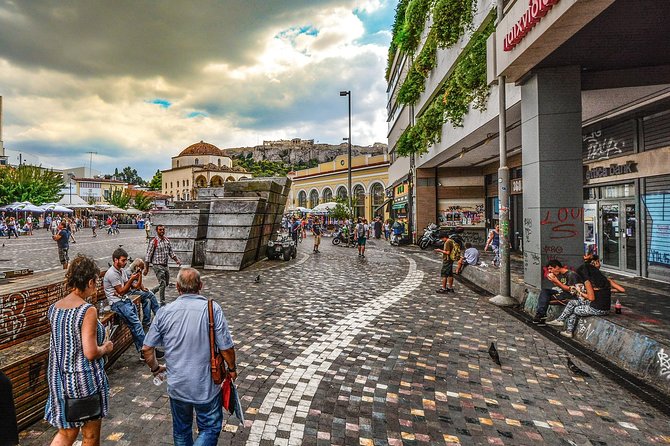
Plaka is the old neighbourhood below the Acropolis. Its narrow lanes, small shops, and ice cream stands suit a slow evening walk. Family Greece tours often end the day here with a relaxed dinner.
Cape Sounion lies on the coast south of the city and holds the Temple of Poseidon. The sea view is the main reward, and many visitors come for sunset. Children enjoy the open air and the wide blue water.
The temple stands on a high cliff above the sea. The wind blows hard there, so a light jacket helps. At sunset the light turns the columns golden, and families love the photos.
Parents who want more ideas can read the guide to day trips from Athens. The page on family Greece tours from Athens compares routes and pace. For the first days in town, the first-time Athens itinerary is a handy plan.
Which family Greece tours reach Mycenae and the Peloponnese?
Family Greece tours reach Mycenae, Epidaurus, Nafplio, and Olympia by coach from Athens, giving children a fortress, a theatre, and a seaside town. The Peloponnese is a large peninsula, so Greece tours often plan it as a loop. Each stop has a clear story for kids.
Mycenae and the Lion Gate
Mycenae is a hilltop fortress from the Bronze Age. Its Lion Gate still stands, with stone lions carved above the entrance. Kids love spotting them. Guides explain that people once believed giants built the huge walls.
The legend of King Agamemnon belongs to this place. Guides turn it into a tale about a rich kingdom, a long war, and a family with big problems. Only state-licensed guides may lead groups inside the site.
The hilltop gives wide views over the plain. Kids can imagine guards watching for enemies from the walls. The climb is steady, so sturdy shoes and water bottles matter for young walkers and tired parents alike.
The page on ancient treasures found at Mycenae explains the gold finds and royal tombs. Families who read it first know what to look for. That turns the visit into a treasure hunt, and Greece tours feel more fun.
Epidaurus, Nafplio, and Olympia
Epidaurus has an ancient theatre famous for its sound. A quiet voice on the stage carries to the top rows, and kids find this magical. A guide can invite a child to test it.
Epidaurus was also a famous healing place in ancient times, linked to the god Asclepius. People travelled there to rest and seek cures. Guides explain this in plain words, and children learn that doctors have always cared for the sick.
Nafplio is a calm seaside town with a pretty harbour and pedestrian lanes. It suits families because walks are short and easy, and the sea breeze keeps the air fresh. Many Greece tours stop here for lunch and a rest.
Olympia is the birthplace of the Olympic Games, which honoured the god Zeus. Children can run along the old stadium track, and history feels real. Greece tours that include Olympia often plan an overnight stay, so nobody has to rush.
The road between these stops is part of the show. The guide to scenic drives on the mainland shows the views, from olive groves to quiet hills.
Which family Greece tours reach the islands?
Family Greece tours reach the islands by ferry from Piraeus port, and Aegina and Hydra suit children best because the rides are short. Both islands work as day trips from Athens. Greece tours with an island stop give kids a swim and a boat ride in the same day.
Piraeus port and the ferry ride
Piraeus is the main port of Athens, and it can look busy and loud. A guide or tour host meets the group, handles tickets, and walks the children to the right boat. That removes most of the stress for parents.
Boats leave on a set schedule, so the group meets at the port early. Tour hosts count heads at every step and keep the tickets safe. Well-run Greece tours make the port feel calm, and children relax once they spot the boat.
Ferry rides are part of the fun. Kids watch the water from the deck, and snack bars sell simple food. Parents still pack sun hats, water, and a light jacket for the wind.
More advice sits in the tips for ferry travel guide. It covers boarding, seats, and what to bring. Families on Greece tours use it to feel ready before the trip.
Aegina and Hydra
Aegina is close to Athens and is famous for its pistachios. The harbour town has shops, fish restaurants, and an easy walk along the water. Greece tours often pair it with a beach stop.
Hydra keeps cars off its streets, and that is its charm. Donkeys, small boats, and walkers share the stone lanes around the harbour. Children watch the harbour life while parents sip coffee.
Both islands feel like a postcard. Stone houses climb up from the water, and cafes line the harbour. Good plans leave time for a swim, because children remember the sea most.
Longer trips follow the same pattern. The Greek island hopping page maps out routes, while Greece island tours from Athens offers a practical plan for the first sailing. Both help families pick the right pace.
Which family Greece tours explore Crete?
Family Greece tours on Crete combine Knossos, the Heraklion museum, Chania’s old harbour, and the pink sand of Elafonisi in one trip. Crete is the largest Greek island, so most Greece tours choose a base and take day trips. Flights from Athens make the journey fast.
Knossos and the Heraklion museum
Knossos was the grand palace of the Minoans, an early civilization on Crete. Legend links it to King Minos and the Minotaur, a monster in a maze. Kids enjoy this myth, and guides use it to explain the real rooms.
The site has bright red columns and painted walls that archaeologists rebuilt. Guides explain what is old and what is new. That teaches children how experts study the past.
Walking through the palace feels like exploring a maze. Corridors, stairways, and storerooms show how large the building was. Kids enjoy imagining the busy life that filled these rooms long ago.
Many finds from the palace sit in the Heraklion museum, including colourful wall paintings and pottery. Only state-licensed guides may lead groups inside the museum. Families who want depth can read about the key features of Knossos Palace and the ancient Minoan civilization at Knossos first.
Chania and Elafonisi
Chania is a western Crete town with a Venetian harbour and a lighthouse. The old town has shady lanes, small shops, and gelato. Greece tours often use it as a calm base after a busy museum day.
Elafonisi is a beach with shallow water and pink-tinged sand. The water stays warm and gentle near the shore, so small children can paddle. Family Greece tours often save it for the last day as a reward.
The road to Elafonisi winds through the mountains of the south-west, so the trip takes patience. Parents pack snacks, and children rest on the way. The beach rewards the effort.
A short checklist helps families plan a beach day on Crete:
- Hats and sun cream for every child
- A refillable water bottle
- Swim clothes and a beach towel
- Comfy shoes for Knossos
- Snacks for long drives
Families who like quiet corners can read about hidden gems in Crete. Those places suit slow days, and Greece tours can add them as extra stops.
Which family Greece tours suit teenagers?
Family Greece tours with active days, free time and real choices suit teenagers best, because teens want to join in, not just watch. Tours that mix sport, sea and some freedom keep moods high, since a teen with a say in the plan complains far less.
Active days that burn off energy
Teens like days with a clear goal and a little effort. Many Greece tours now add outdoor adventure activities such as kayaking, snorkeling and paddleboarding, which give teens a story to tell their friends.
Walking days work best when the route ends with a clear prize, like a wide view or a cool swim. Families can browse the top hiking trails in Greece and pick a gentle path that finishes near the sea. Teens enjoy the climb more when they help choose the trail.
Bikes add speed and fun to the day. Cycling routes in Greece range from flat coastal paths to hilly village roads, so guides can match each ride to the weakest rider. A good guide also checks helmets and brakes before the ride starts.
Free time and room to grow
Teens also need some space to feel like travelers rather than children. The best Greece tours leave a free afternoon for a swim, a snack or a walk through town. Group leaders set a clear meeting time and place, and teens enjoy the trust.
Sea days give teens fun and freedom together. Sailing holidays in Greece let them help with ropes and sails, swim off the boat and learn from the skipper. Paros and Naxos also have windy beaches that suit windsurfing and kitesurfing for teens who want a new sport.
Evenings matter as well. Greece tours that keep the late afternoon open let teens try street snacks, play beach games and meet other young travelers.
Culture fits in too, when the stories are short and strange. In Athens, the National Archaeological Museum holds the gold mask of Agamemnon and the Antikythera mechanism, an ancient gadget that tracked the sky.
Only state-licensed guides are allowed to lead groups inside Greek archaeological sites and museums. Greece tours book these guides early, and the best ones turn dusty facts into quick tales that stick in a young mind. Teens listen when the guide makes them laugh.
Which family Greece tours suit grandparents traveling too?
Slow and gentle Greece tours suit grandparents best, with short walks, shaded rest stops, seats nearby and a calm pace for everyone. Grandparents travel well when the day has a clear start, a long lunch and a set finish. Tours that plan for them also help parents relax.
Easy pace and easy access
Greece tours that care about older travelers choose bases with lifts, flat streets and short transfers. Nafplio is a strong example, because its seafront walk and old town suit a slow pace. Cafes line the waterfront, so a rest is never far away.
Island choice matters too, since long ferry rides and steep hills tire older travelers fast. This practical review of the best Greek island for older travelers gives an evidence-based view. Families can use it to match the island to the oldest person on the trip.
Quiet villages suit this pace as well. Traditional Greek villages have shaded squares, short lanes and cafes where grandparents can sit while teens explore. Greece tours that add a village lunch give the whole family an easy, tasty stop.
Time on the water and time together
Boats are gentle on tired legs, so Santorini boat cruises suit grandparents well. They can see the caldera, a giant volcano crater filled with sea, from a deck chair. The cliff-top towns on Santorini have many stairs, so a cruise is an easier choice.
Close to the capital, an Athens Riviera catamaran tour gives a calm day at sea. A catamaran has two hulls, so it sits steady on the water. Swim stops let kids splash while grandparents rest in the shade.
Shared moments matter most. Greece tours that plan one joint activity, such as a cooking class or a seaside dinner, give all generations a story to share. Crete beaches add sandy, shallow bays where small children and grandparents can paddle side by side.
How do family Greece tours handle rainy days?
Good family Greece tours keep a backup plan ready and swap beach time for museums, cooking classes and cafes when rain arrives. Most rain falls in the cooler months, and summer is mostly dry. Planning ahead still protects the mood.
Indoor stops in Athens
Athens has strong wet-day choices, starting with the Acropolis Museum just below the Acropolis hill. A glass floor lets visitors look down on the ruins of an old Athens neighborhood, so the building feels like a dig site.
The National Archaeological Museum is another dry choice, with big bronze statues and ancient gold that kids can spot from far away. Greece tours keep museum visits short and give each child one thing to find. A licensed guide can turn statues and gold into quick stories.
Most rain plans fit into half a day. Greece tours often pick from these ideas:
- Museum visits with a licensed guide
- Family cooking classes
- Pottery and craft workshops
- Long lunches in village cafes
- Board games and cards at the hotel
Wet-weather plans on the islands
Island days depend on wind and waves as much as rain. When strong wind stops a boat trip, operators move the group to a village walk, a workshop or a long lunch. A flexible plan keeps the mood light and the day full.
Corfu is one of the greenest Greek islands and gets more rain than most. The arcades and cafes of its Old Town give good shelter. Greece tours that watch the forecast can switch plans fast.
Rainy days can also teach kids about local life. Choosing small workshops and family-run kitchens is one part of sustainable travel in Greece. It also keeps the money from a wet day in the local community.
After rain, green spaces look their best, so Greece tours can add a short walk once the sky clears. Families can read about the nature reserves in Greece to pick a spot, and waterproof jackets keep wet paths safe.
Which places suit family Greece tours?
Family Greece tours work best in places with short transfers, calm beaches and easy sights. Athens, the Ionian Islands and gentle Cycladic islands all fit that plan. Each group below suits a different kind of trip, from city history to quiet island days.
Mainland
Mainland stops give children big stories without the need for long flights or ferry rides. Many Greece tours start in Athens and then add a drive to an ancient site or a green mountain. The roads are good, the distances are small, and the days stay easy for parents and children alike.
- Athens is known for the Acropolis, the Parthenon and lively old streets.
- Delphi is known for its ancient oracle and wide views over the mountains.
- Olympia is known for the ancient Olympic Games and its old stadium.
- Pelion is known for green forests, stone villages, quiet beaches and old legends.
Cyclades
The Cyclades are small islands with white towns, blue domes and very clear water. Cycladic Greece tours often use one island as a base, which means less packing and fewer ferries. Narrow lanes and short distances suit walking families, and most towns sit close to a beach.
- Naxos is known for long sandy beaches and a giant marble gate.
- Paros is known for the fishing village of Naoussa and sandy bays.
- Syros is known for grand Ermoupoli and a medieval hilltop old town.
- Sifnos is known for pottery workshops, walking paths and tasty home cooking.
Ionian Islands
The Ionian Islands lie off the west coast, where the sea is calm and the hills stay green. Many beaches have shallow water that suits young swimmers, and some have shade from pine trees. Ionian Greece tours mix beach days with caves, boats and old towns, so no two days feel the same.
- Corfu is known for its Venetian old town, shady squares and sea fortresses.
- Kefalonia is known for Myrtos Beach and the Melissani cave lake.
- Lefkada is known for its floating bridge, white cliffs and bright beaches.
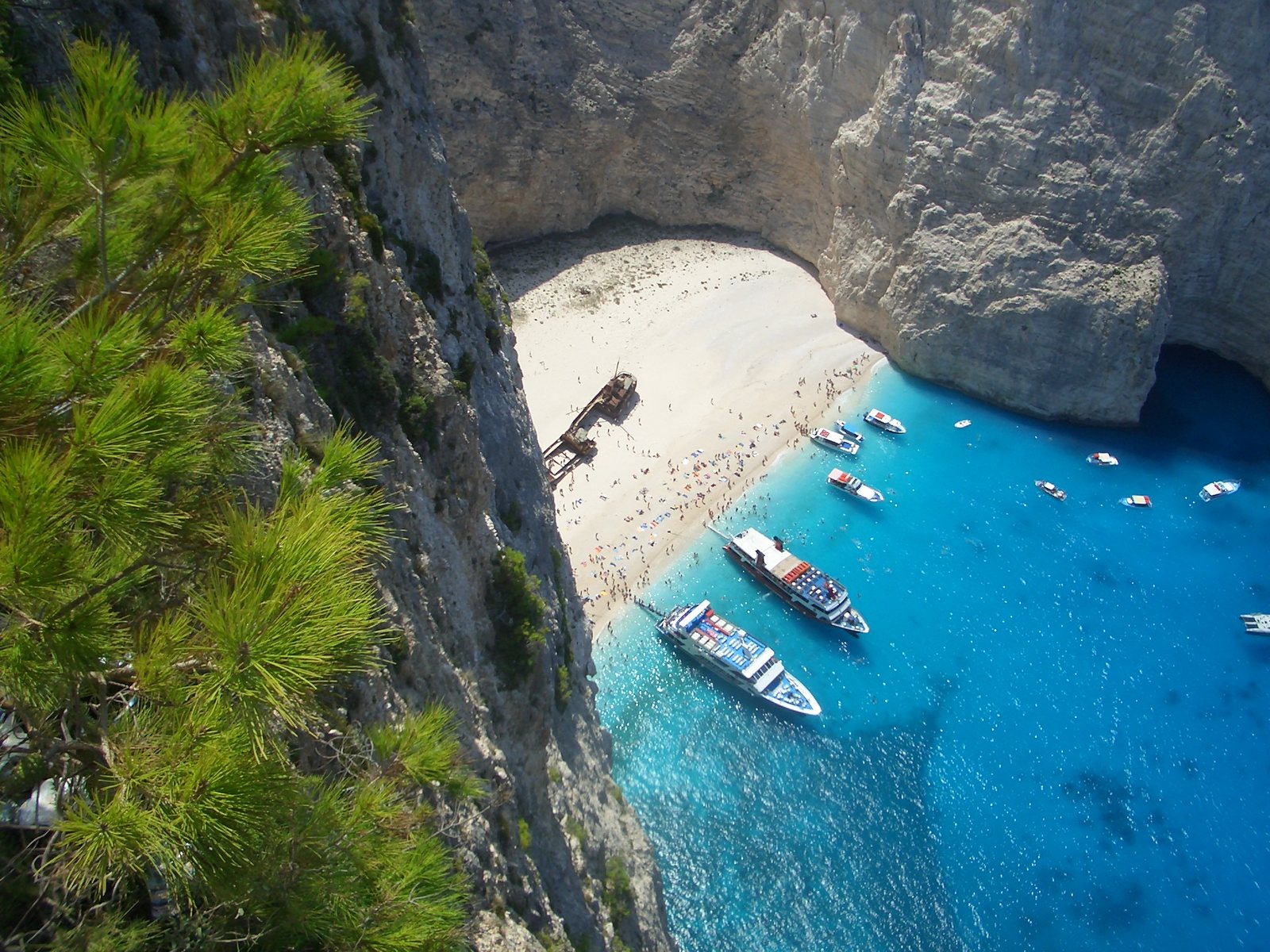
- Zakynthos is known for Navagio shipwreck beach and loggerhead sea turtles.
Dodecanese and Crete
These southeastern islands are warm, large and full of castles that children love to explore. Knights, kings and a famous monster make the history easy to retell at the dinner table. Greece tours here suit families who want long beach days next to real stories from the past.
- Rhodes is known for its walled medieval town built long ago by knights.
- Kos is known for flat bike paths and the ancient doctor Hippocrates.
- Symi is known for pastel harbour houses and easy boat trips from Rhodes.
- Crete is known for Knossos palace, the Minotaur legend and wide beaches.
How do families plan Greece tours over eight days?
Families plan eight-day Greece tours around one city stay, one easy day trip and one beach base. Each day holds a single main plan, so children can rest, swim and eat. This rhythm keeps the whole group happy, because nobody has to rush from one sight to the next.
Athens with kids
Athens works best at the start of the trip, while children still have fresh energy. Visit the Acropolis early, because the stone gets hot by midday. Parents who want cooler weather can read the guide to the best time to visit Greece for weather and crowds.
Add a museum for the hottest part of the day. Children enjoy the glass floors in the Acropolis Museum and the gold mask in the National Archaeological Museum. Good Greece tours tie each sight to a myth, so the old stones turn into stories.
Keep the Athens evenings slow and simple. A walk through Plaka, a cone of ice cream and a view from Lycabettus Hill are enough for one day. A calm night makes the next morning easier for everyone, including tired parents.
Pack a small bag for each outing with water, snacks, a hat and wet wipes. Young children tire quickly in city heat, so a rest in a shaded park or a cafe helps. Plan one big sight each day and leave the rest of the day open for play.
One day trip
Pick only one day trip during the eight days. Cape Sounion has a temple of Poseidon above the sea and suits a late afternoon, when the light turns golden. Nafplio is a pretty seaside town, and the old theatre at Epidaurus is famous for its clear sound.
Delphi is farther away, so family Greece tours give it a full day. Children like the story of the oracle, where people once asked the god Apollo about the future. A packed lunch and plenty of water make the long drive much easier.
Boat trips to Aegina, Poros or Hydra also work well. Hydra keeps cars off its streets, so children can watch donkeys and boats in the harbour. Parents who want a sample plan can study this Athens, Santorini and Mykonos itinerary and borrow ideas.
Choose the day trip by the age of the children. Short boat rides suit small ones, while older children enjoy ruins and long stories. Whatever the choice, return to the hotel in time for a swim, a calm dinner and an early night.
A beach base
Spend the last days on one island with a safe, easy beach. Look for shallow water, shade and a snack bar close by. The guide to the top Greek islands to visit helps parents compare beaches, towns and ferry links.
One hotel for all the final nights saves children from packing a bag every morning. Greece tours that stay put also leave room for boat rides, ice cream and long swims. Simple days with plenty of free time make the strongest memories for young travellers.
Ferries and short flights link the main islands, so a beach base is easy to reach from Athens. Travel in the morning, when children are fresh, and keep the first afternoon free for the sea. A tour that plans the move this way avoids grumpy arrivals.
Keep the rhythm slow. Swim in the morning, rest at midday and walk the harbour at sunset. Pack hats, sunscreen, water and a small first-aid kit, so small problems stay small. This pace turns family Greece tours into a holiday, not a race.
More questions about family Greece tours
These short answers cover the questions parents ask most often before a trip. They give a clear picture of how family Greece tours usually run from day to day.
Do family Greece tours include meals?
Most family Greece tours include breakfast at the hotel, while lunch and dinner are often left open so children can pick food they like. Greek tavernas serve simple dishes such as grilled chicken, pasta, bread and fresh fruit, which suit most children. The tour page lists exactly what each day includes.
Are family Greece tours safe for young children?
Yes, Greece is a welcoming country for children, and family Greece tours plan short days with shade, rest breaks and easy walking. Parents should still watch children near water, traffic and hot stone steps. Sun hats, shade and water bottles are the main safety tools on warm days.
Can family Greece tours be booked at the last minute?
Many family Greece tours can be booked late, but family rooms and island ferries sell out first, especially in the busy summer months. Booking early gives parents a wider choice of rooms and sailing times. In quiet months, late plans are much easier to arrange.
Do family Greece tours include hotel pickup?
Pickup depends on the tour and the town. Many family Greece tours collect guests from the hotel, while others use a nearby meeting point. The booking page states which option applies to each tour. Families with strollers or tired children should ask for hotel pickup whenever it is offered.
Is tipping expected on family Greece tours?
Tipping on family Greece tours is welcome but not required. Guests often thank a good guide or driver with a small cash tip at the end of the day. In cafes and tavernas, rounding up the bill is common. Service is usually part of the price already, so any extra is a small thank-you.
What should children wear on family Greece tours?
Children should wear light cotton clothes, a sun hat and sturdy closed shoes with a good grip for walking on old stone. Pack swimwear, water shoes for pebble beaches and a thin layer for boat rides and cool evenings. Sunscreen and sunglasses help all day.
See more in Escort Agency SEO: